Colombian Pasilla: A Coffee with Origin, Impact, and Purpose
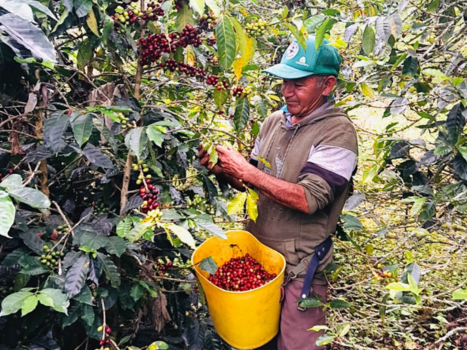
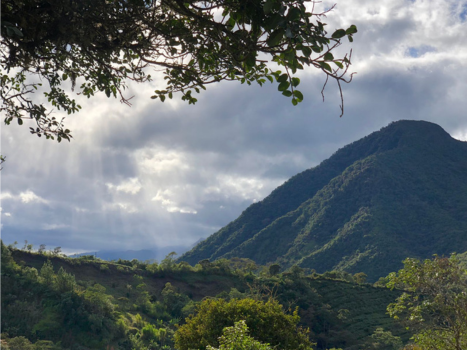
Colombian pasilla represents between 15% and 20% of the total coffee produced annually in the country. This amounts to more than 5.5 million bags per year, originating from the same farms, varieties, and coffee-growing regions that produce Colombia’s most internationally recognized coffees. Although classified by appearance as outside the “Excelso” standard, pasilla preserves the essence of Colombian origin—its aromatic notes and high-altitude character—making it a highly valuable raw material for the international industry. Exporting pasilla is not just a smart commercial decision; it is a high-impact social action. By purchasing this type of coffee, buyers inject direct liquidity into the base of the Colombian coffee system, benefiting more than 540,000 producer families, many of whom live in rural areas where coffee is the main source of income and economic stability. Using pasilla means giving value to the entire harvest effort and increasing profitability for small producers, without the need to expand planted area. For industrial roasters, soluble coffee manufacturers, capsule producers, and blend developers, Colombian pasilla offers a noble sensory profile, good cup yield, and clear traceability from origin. It is not a by-product—it is authentic Colombian coffee, grown with the same care and passion as any export microlot. Furthermore, in the domestic market, pasilla plays a key role in sustaining national consumption. Thousands of Colombian households drink coffee every day thanks to roasters who select high-quality pasilla to offer accessible and consistent products. For all these reasons, exporting Colombian pasilla opens the door to rural development, the sustainability of the coffee system, and the economic inclusion of those who have historically upheld the prestige of Colombian coffee through their work. Buying Colombian pasilla is choosing origin, quality, and social commitment.