The Terroir of Colombian Exotic Coffee: Science, Altitude, and Sensory Precision
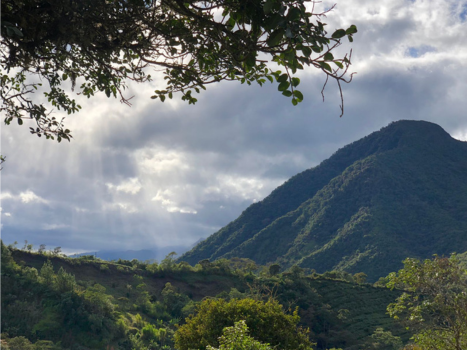
The terroir of Colombian exotic coffee is a natural architecture of precision. It is composed of interdependent variables: altitude, soil composition, microclimate, solar radiation, vegetative cover, and microbial biodiversity. At elevations between 1,600 and 2,300 meters above sea level, lower atmospheric pressure slows down cherry maturation, allowing for a more complex accumulation of sugars, organic acids, and aromatic precursors. Volcanic soils rich in organic matter, with excellent water retention and drainage capacity, provide nutritional balance and promote clean cup profiles with silky texture and well defined acidity. Stable microclimates with frequent mist, natural shade, and significant day night temperature variation enhance bean density and allow for refined varietal expression. In addition, Colombian coffee ecosystems host a rich microbial diversity (yeasts, lactobacilli, acetic bacteria) that interacts naturally during fermentation, shaping the cup profile even without external inoculation. When these conditions are combined with intentional processes such as anaerobic fermentation, extended maceration, or thermal shock, terroir is not only expressed, it is elevated to art. The resulting coffee is not merely a beverage: it is a sensory record of a living environment, mastered through precision and craft.